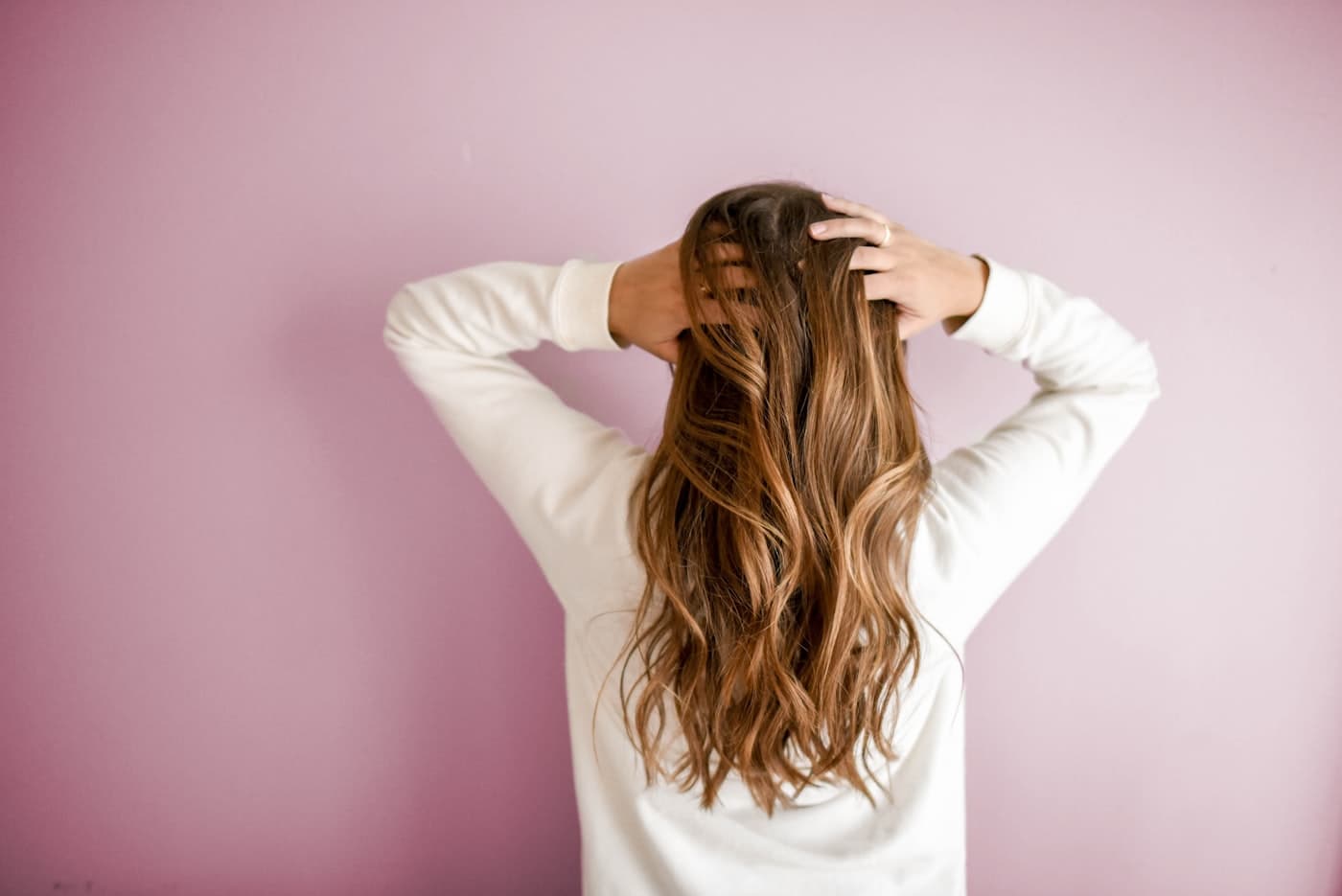
Monsoon gets blamed for frizz and breakouts while it is happening, and that is fair, but the fuller damage usually shows up after the rain stops: scalp that has been quietly building dandruff for two months, skin that overcorrected into oiliness or dryness depending on how it reacted to the humidity, and hair that has been tied up wet more often than it should have been.
September is the window to actually fix this, before wedding season through November to February and the festival stretch of Teej, Karva Chauth and Diwali start asking more of your skin and hair than a neglected scalp can deliver.
What two months of monsoon actually did
- Scalp build-up. Humidity plus sweat is close to ideal conditions for dandruff-causing yeast to multiply, and it builds gradually enough that most people do not notice until flaking is already visible. If you have not had a scalp-focused treatment since June, there is a reasonable chance this applies to you.
- Hair that dried unevenly, over and over. Tying up wet hair to leave the house in the rain, repeated dozens of times over two months, roughens the hair shaft in a way that a single wash does not undo. It compounds with Jaipur's hard water rather than sitting separately from it.
- Skin that swung one way or the other. Humid air makes oily skin oilier and dry skin, oddly, sometimes drier underneath a surface layer of moisture, because the air changes what the skin produces without actually hydrating it properly. Both extremes need correcting rather than ignoring.
None of this is dramatic on its own, which is exactly why it gets left unaddressed. It is the kind of gradual change that becomes obvious only once something else, a wedding invitation or a festival function, puts a deadline on fixing it.
For the scalp: dandruff treatment, not just a hair spa
If dandruff built up over monsoon, a regular hair spa alone will not fully clear it, since a hair spa conditions the length as much as the scalp. The anti-dandruff treatment, ₹799 for 60 minutes, is scalp-focused and medicated, and this is genuinely the right window to start it: two to three sittings spaced roughly two weeks apart, finishing well before wedding season gets busy.
If your scalp came through monsoon fine and the concern is purely dryness or frizz along the length, the regular hair spa is the right call instead, at ₹649 for shoulder length or ₹899 for waist length.
For the hair shaft: hard water is still doing damage
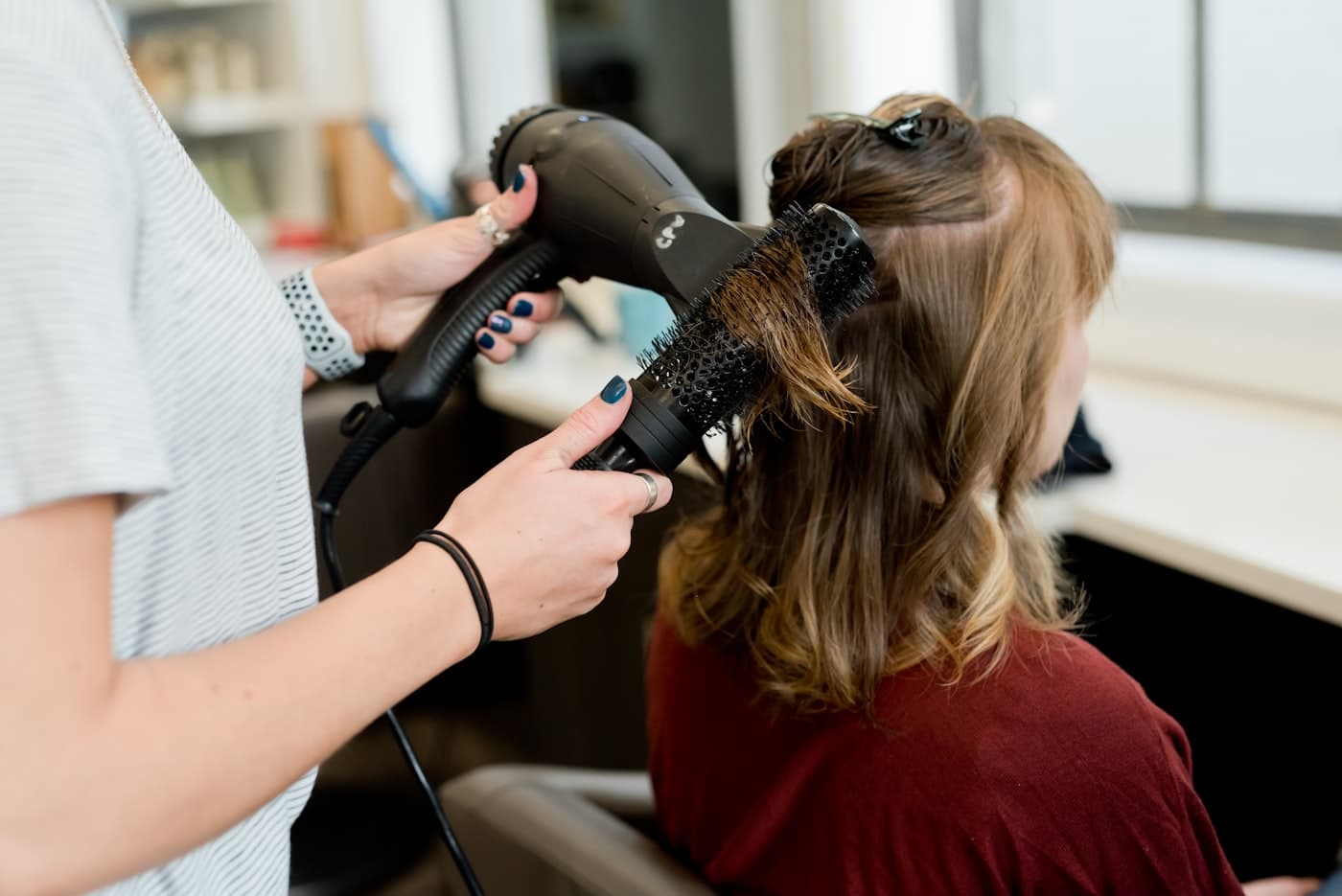
Monsoon roughness and hard water roughness look similar and often get treated as one problem, but hard water keeps working through September regardless of the season. A hair spa every three weeks through this transition period, rather than the usual monthly gap, closes it out faster.
For skin: recalibrate before de tan or brightening
Do not default straight to a de tan facial simply because that is what the calendar has trained you to book after summer. Check what your skin actually did over monsoon first. Oily skin that got oilier needs a proper cleanup and possibly a fruit facial before anything heavier. Skin that dried out under the surface needs a facial with a hydrating finish rather than another exfoliating one.
| What monsoon did to your skin | Book this |
|---|---|
| Got noticeably oilier, more breakouts | Cleanup, ₹299, then a fruit facial once settled |
| Dry, tight, or flaking despite the humidity | Fruit facial or gold facial, both include a proper finishing pack |
| Still visibly tanned from before the rains | De tan facial, ₹599 |
| Generally fine, just wants a reset | Fruit facial, ₹499 |
Why this month specifically matters
Wedding season in Jaipur runs roughly November through February, and the festival stretch of Teej, Karva Chauth and Diwali sits right before it. A scalp or skin issue left over from monsoon and only addressed the week before a function gets rushed, and rushed treatments show it, whether that is a scalp treatment that needed three sittings getting squeezed into one, or a facial booked same-day instead of with proper notice.
September and early October, before that calendar gets busy, is genuinely the easier window to book two or three sittings spaced properly apart rather than compressing everything into the week before an event.
If dandruff, dryness or dullness built up over monsoon, start now rather than waiting for the first festival to force the issue. Tell us what changed for your hair or skin over the last two months and we will suggest where to actually start.
Common questions
Why does my hair and skin feel worse after monsoon than during it?
Damage from two months of humidity, sweat and repeatedly drying hair unevenly builds gradually and often shows up more clearly once the rain stops and routines go back to normal. It is not usually one bad week, it is an accumulation that becomes noticeable in hindsight.
Should I book a hair spa or a dandruff treatment after monsoon?
If dandruff or scalp flaking built up over the season, book the dandruff treatment, since it is scalp-focused and medicated in a way a regular hair spa is not. If the concern is purely dryness or frizz along the hair length with no real scalp issue, the regular hair spa is the right one.
When should I start pre-wedding-season repair treatments in Jaipur?
September and early October is the ideal window, ahead of the November to February wedding season and the Teej, Karva Chauth and Diwali festival stretch. It gives enough time for treatments that genuinely need multiple sittings, like dandruff or crack heel treatment, to be spaced out properly rather than rushed the week before an event.
Do I automatically need a de tan facial after summer and monsoon?
Only if tanning is actually still visible. Monsoon affects oily and dry skin differently, and a de tan facial does not address oiliness or dryness on its own. Check what your skin actually needs first rather than defaulting to the facial that made sense for summer specifically.
Book what this guide covers
Full price lists and details for the services discussed here.