Dandruff gets treated like a shampoo problem, something to fix by switching brands, when for most people it is a scalp condition that a shampoo alone manages rather than cures. Jaipur makes it worse than average, for two separate reasons that have nothing to do with which shampoo is on the shelf.
This is a straight look at what the treatment actually involves, how many sittings it realistically takes, and where a shampoo swap genuinely is enough versus where it is not.
Why Jaipur makes dandruff worse
- Hard water. Mineral deposits from hard water dry the scalp along with the hair shaft, and a dry, irritated scalp sheds flakes faster than a well-moisturised one.
- Monsoon humidity. The combination of sweat and trapped moisture through July and August is close to ideal conditions for the yeast that causes most dandruff to multiply. Complaints spike noticeably every year in this window.
Neither of these is something a different shampoo bottle fixes on its own, which is why so many people cycle through three or four anti-dandruff shampoos without lasting improvement. The scalp condition and the water quality behind it need to be addressed directly.
What the treatment actually includes
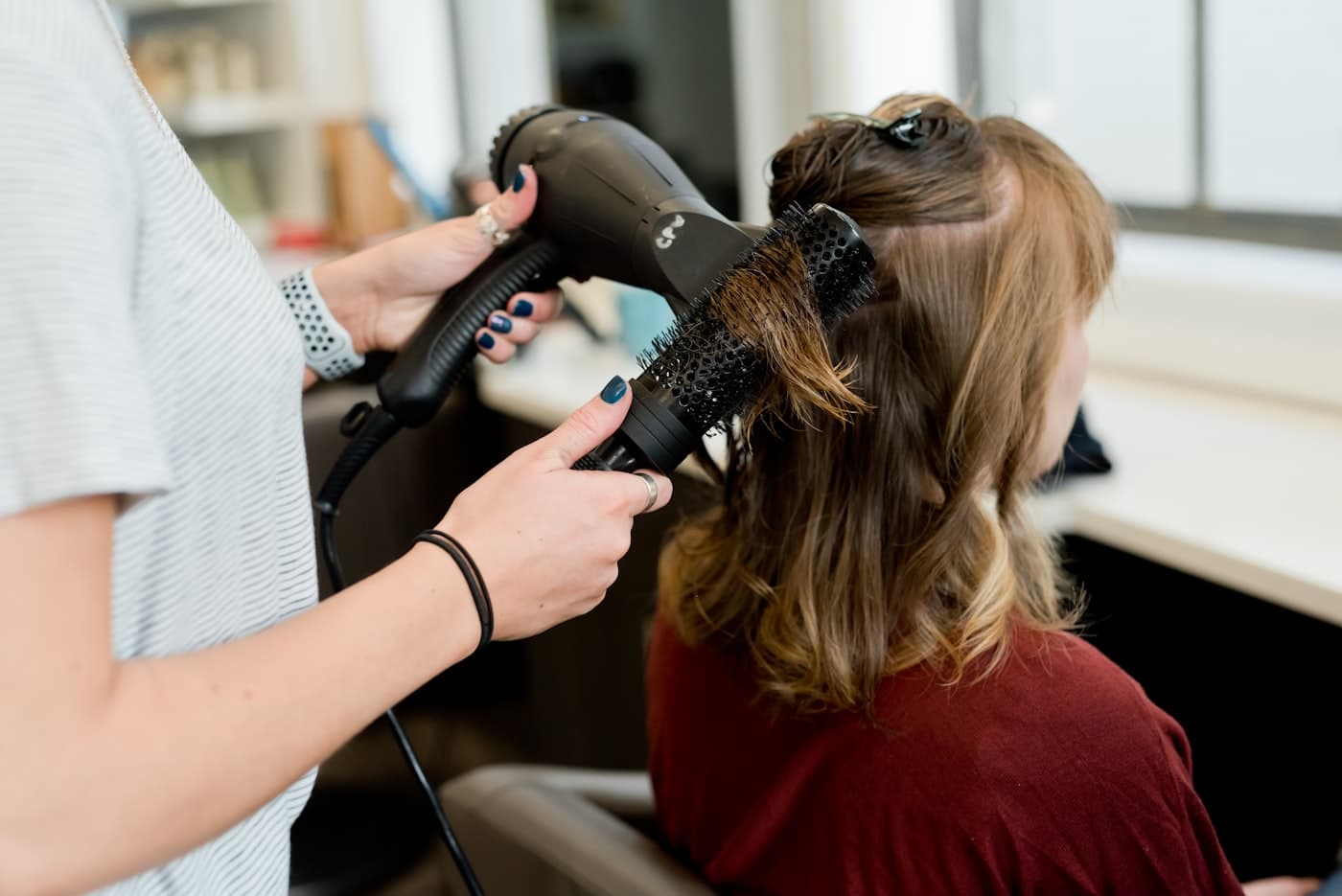
Our dandruff treatment, ₹799 and 60 minutes, is a targeted scalp treatment: a medicated pre-wash application worked into the scalp specifically rather than the hair length, followed by steam to help it penetrate, then a proper wash and rinse. It is a different sequence from a standard hair spa, which conditions the length as much as the scalp.
How many sittings it honestly takes
One sitting reduces visible flaking noticeably, which is why people sometimes think it is done. It is not, and we would rather say so upfront than let a single treatment be oversold. Mild, occasional dandruff often settles within two to three sittings spaced roughly two weeks apart. A scalp with dandruff that has been building for months, or that comes back every monsoon without fail, usually needs a longer stretch of sittings plus a change in the everyday shampoo used between them.
| Severity | Sittings needed | Spacing |
|---|---|---|
| Mild, occasional flaking | 2 to 3 | Every 2 weeks |
| Moderate, recurring monsoon dandruff | 3 to 5 | Every 2 weeks, then monthly maintenance |
| Severe or long-standing | Ongoing management | Consult a dermatologist alongside treatment |
What actually helps between sittings
- A sulphate-free anti-dandruff shampoo, used consistently. Switching shampoos every few weeks looking for a magic fix undoes the consistency that actually helps a scalp settle down.
- Filtered or stored water for the final rinse, if your water is hard. The same fix that helps general hard water roughness helps a dandruff-prone scalp specifically, since a drier scalp flakes more.
- Not scratching, even when it is genuinely itchy. Scratching breaks the scalp surface and can turn simple dandruff into an irritated, harder to treat scalp. Cold water rinses help more than nails do.
If dandruff comes back every monsoon, book the first sitting a few weeks before the season starts rather than after it has already flared up. It genuinely responds better that way.
Common questions
How much does a dandruff treatment cost at home in Jaipur?
It is ₹799 for a 60 minute sitting, a medicated scalp treatment with steam, distinct from a regular hair spa which treats the full hair length rather than focusing on the scalp.
Will one sitting clear dandruff completely?
It noticeably reduces visible flaking, but rarely clears it completely on its own. Mild, occasional dandruff usually needs two to three sittings roughly two weeks apart; long-standing or monsoon-recurring dandruff needs more, plus consistent shampoo use between sittings.
Why does dandruff get worse in Jaipur during monsoon?
The combination of humidity and trapped moisture through July and August favours the yeast that causes most dandruff, and hard water dries the scalp the rest of the year, which also worsens flaking. Both factors are separate from which shampoo is used.
Should I see a dermatologist instead of booking this treatment?
For mild to moderate dandruff, the cosmetic scalp treatment is usually enough. If there is redness, persistent itching or the scalp looks irritated rather than just flaky, see a dermatologist alongside the treatment rather than instead of it — that is outside what a cosmetic scalp treatment is meant to handle.
Book what this guide covers
Full price lists and details for the services discussed here.