Every July our phone starts ringing about hair fall. The same conversation, four or five times a week, all the way to the end of September: it comes out in the shower, it comes out on the pillow, something has changed, what treatment fixes it.
Usually nothing has changed and no treatment fixes it, because it is the season. That is an unsatisfying answer to give someone holding a fistful of hair, so this is the longer version, along with the things that genuinely are worth doing in these three months and the two that are worth waiting out.
What the humidity is actually doing
Jaipur spends most of the year dry. Then for about ten weeks it does not, and the humidity climbs from something like 25 percent to somewhere north of 70. Hair responds to that immediately, because the outer layer of every strand swells when it takes on moisture from the air. Straight hair goes limp and greasy by evening. Wavy hair frizzes. Curly hair either behaves beautifully or turns into something unrecognisable, and there is no reliable way to predict which.
None of that is damage. It is the hair doing exactly what hair does. The problem is that it looks and feels like damage, which is why this is the season people start buying products to fix a problem they do not have.
Skin swings the other way and takes about three weeks to do it. Oil production rises, sweat sits on the surface instead of evaporating, and pores that coped fine through a 44 degree June start congesting in a 33 degree August. Clean up bookings climb through monsoon every year while facial bookings dip, and that is people correctly reading their own skin.
The hair fall question
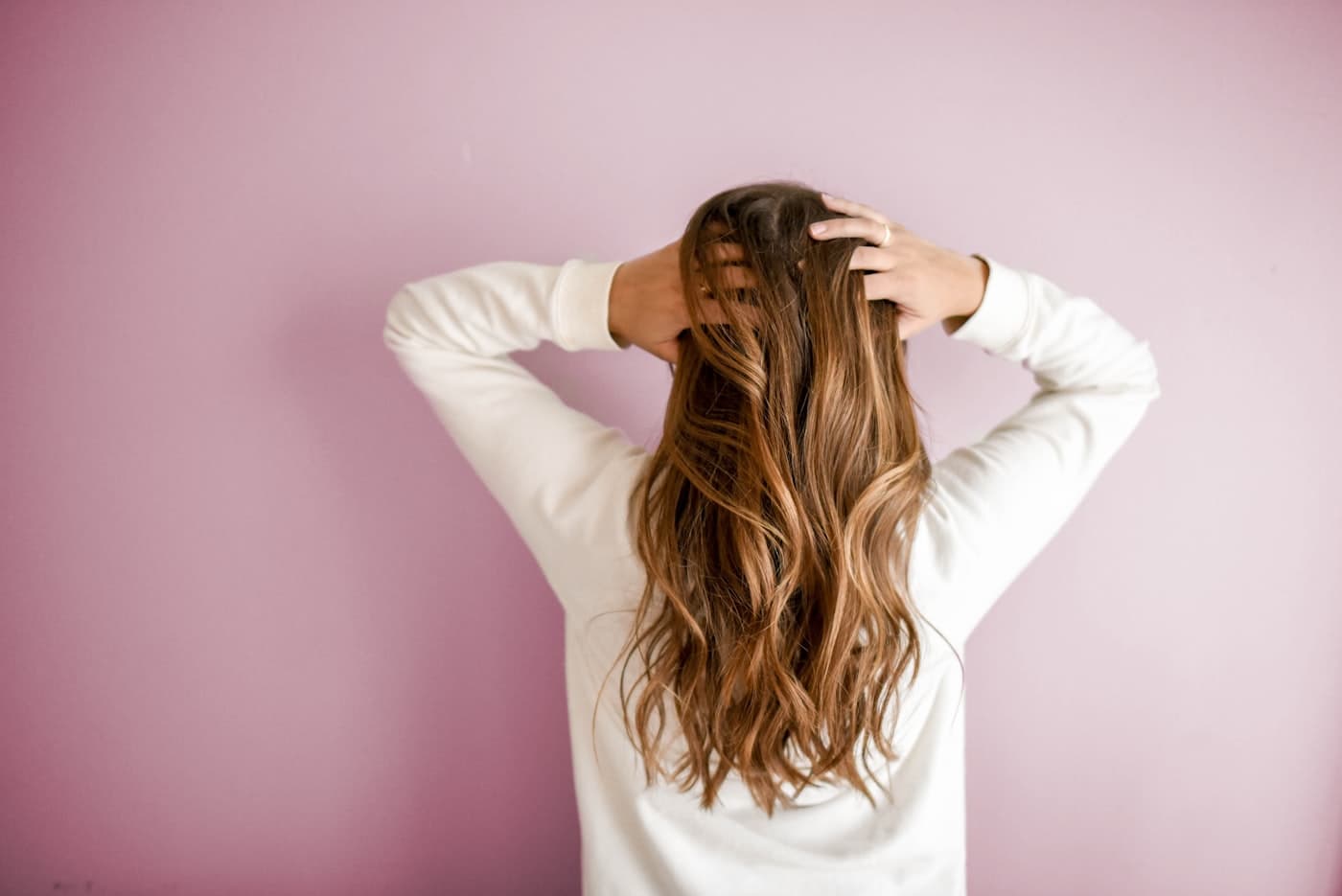
Hair grows in cycles rather than continuously, and at any moment a share of it is resting rather than growing. Resting hair eventually sheds. A larger than usual share tends to enter that resting phase together in the second half of the year, so the shedding lands in a clump a few months later instead of being spread evenly.
The practical version: losing more hair in monsoon than in March is normal and it is temporary. What is worth paying attention to is not the amount on the floor but whether the density at your parting or your temples is visibly thinning over months. That is a different problem and it is a doctor’s, not ours.
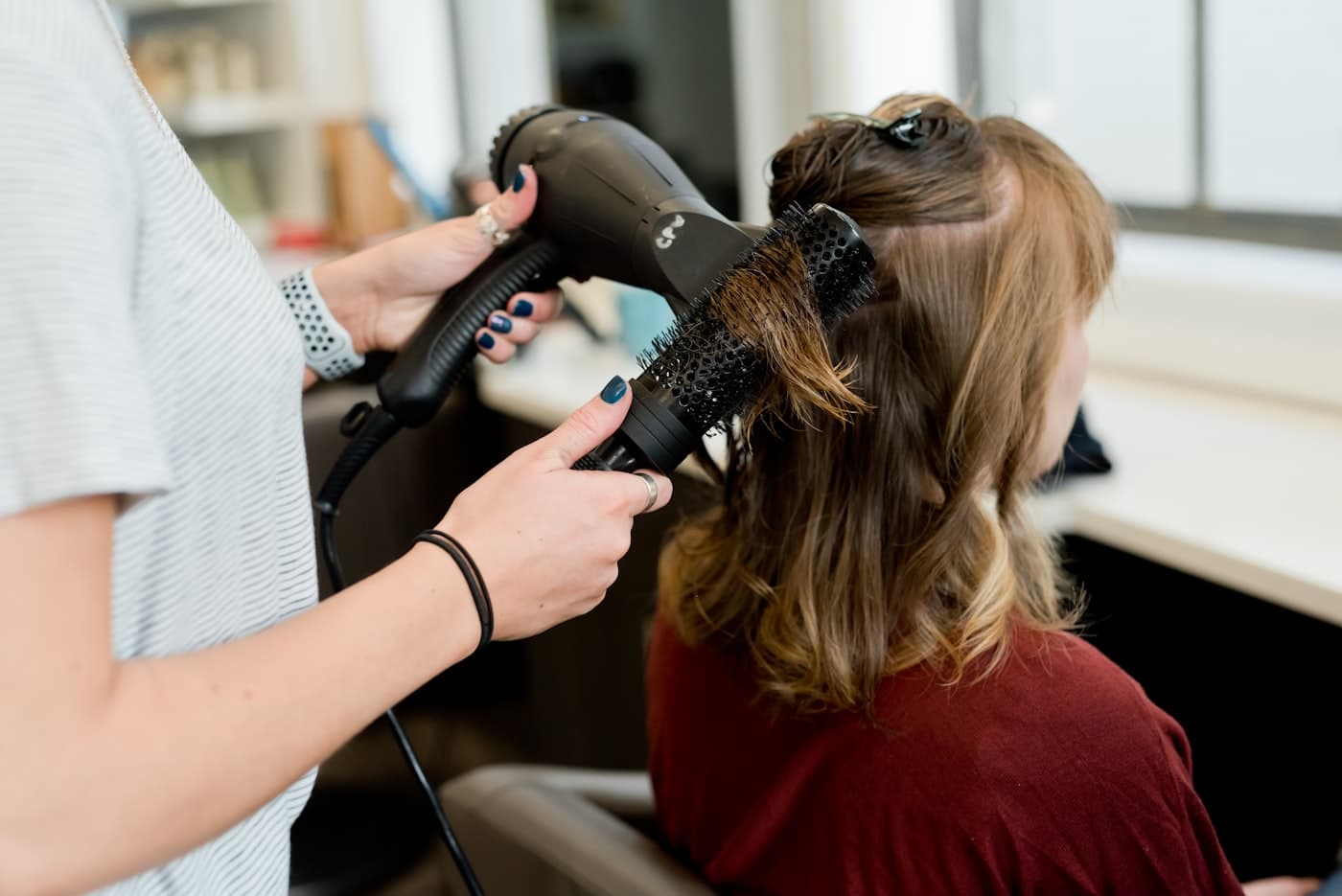
The one thing that genuinely helps in these weeks is not letting a wet scalp stay wet. Jaipur monsoon air does not dry hair, it just holds it damp, and hours of a damp scalp under tied up hair is what turns ordinary seasonal shedding into an itchy flaking scalp on top of it. Dry the roots properly even if you leave the lengths alone. Tie hair up only once it is dry.
Skin: the swing nobody expects
The people who struggle most in monsoon are usually the ones who had good skin all summer, because they are still running a summer routine into a completely different set of conditions. Heavy moisturiser that was necessary in a dry May is doing nothing useful in a humid August except sitting there.
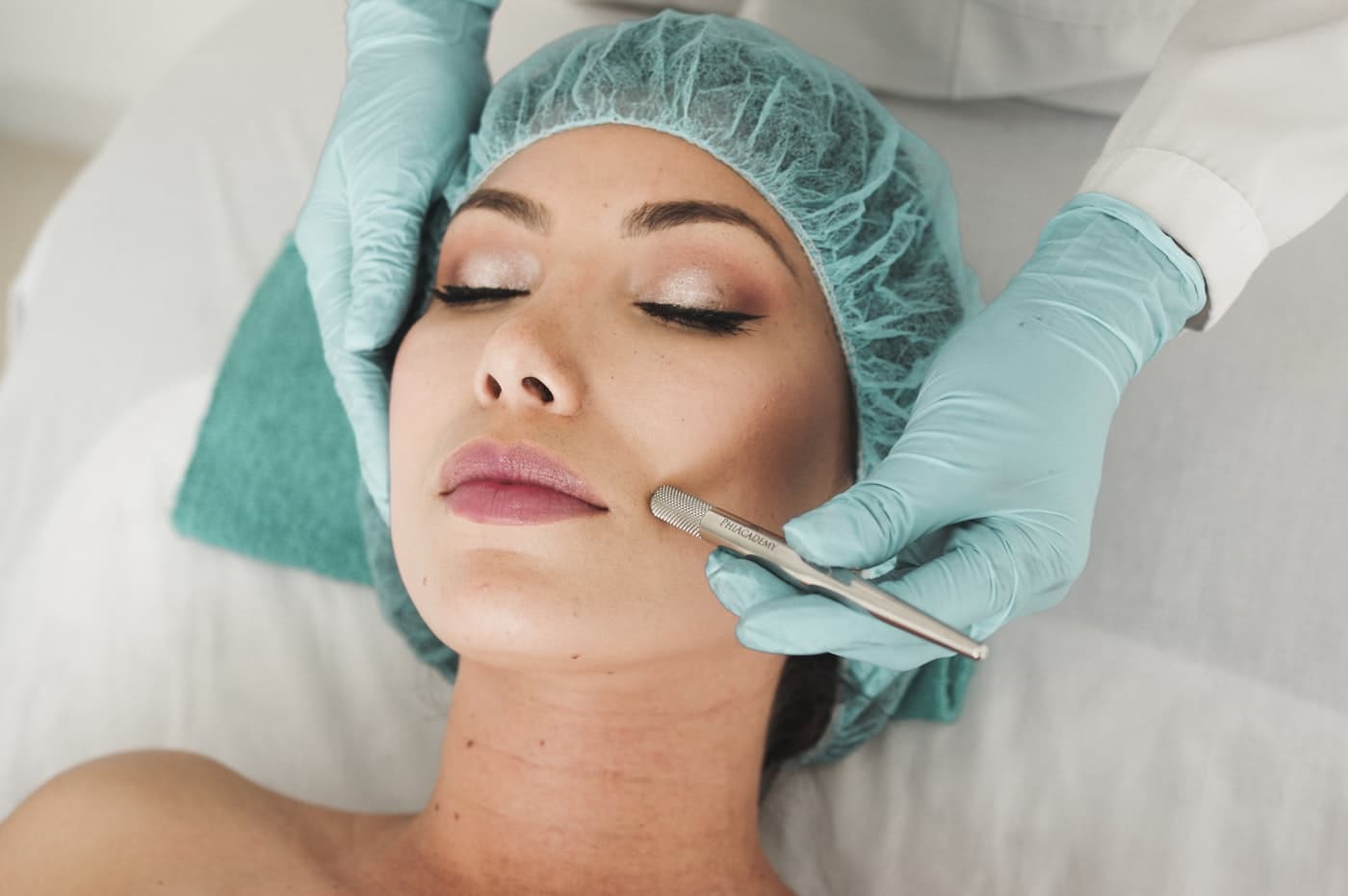
- Congestion around the nose, chin and jaw. The most common monsoon complaint we see. A clean up at ₹299 handles it and takes about half an hour. It is not a facial and it is not meant to be. Once a month through the season is plenty for most skin.
- Tan that will not shift. Overcast does not mean protected. A monsoon sky in Jaipur still puts through enough UV to hold a tan in place, which is why the tan people expect to fade in July often does not. De tan still works in these months and is worth continuing rather than pausing.
- Skin that feels oily and tight at the same time. Usually over cleansing. Scrubbing an oily face twice a day in humid weather strips it, and it responds by producing more oil. Fewer, gentler washes fix this more often than any product does.
- Sudden breakouts along the hairline. Frequently damp hair resting against the face rather than anything you have put on your skin. Worth ruling out before you change your entire routine.
We do turn down facial bookings during monsoon on skin that has active, inflamed acne, and this is the time of year we do it most. Extraction on inflamed skin spreads it. We would rather lose the booking than be the reason a small problem covered a whole cheek by the weekend.
Feet, and the part nobody mentions
Waterlogging on Tonk Road, the stretch near Sodala flyover, the inner galis of Raja Park after an hour of rain. Wet shoes, wet sandals, and feet that stay damp for hours at a stretch. Monsoon is by a distance the worst season for feet in this city and it is the one people ignore, because feet are not what anyone looks at.
A pedicure in these months is doing something different from the summer version. Less about heels cracking from dryness, more about clearing softened dead skin that has gone spongy from being wet, and getting the nail edges properly clean. Softened skin also files far more easily, which is the one advantage of the season.
What to book now, and what to wait on
Two treatments are genuinely worth postponing until the humidity drops, and we say so on the phone even though it costs us the booking.
- Keratin and smoothening. Wait. These work by sealing the hair’s outer layer flat. High humidity is the exact condition that pushes moisture back into it, so results that should hold three or four months start reverting inside six weeks. A ₹3,499 treatment losing half its life to the weather is not a good buy. October onwards is the sensible window.
- Global hair colour. Usually wait. Not a hard no, but colour fades faster in these months, partly from humidity and partly because everyone washes their hair more often when the scalp is sweaty. A root touch up at ₹699 is a better use of monsoon money than ₹1,499 on a full global that will look tired by Diwali.
What is worth booking is the maintenance end. A hair spa at ₹649 every three weeks does more in this season than in any other, because the deep conditioning and the steam step are working against roughness that the weather is actively causing. Clean ups at ₹299 monthly. Pedicures at ₹449, more often than you would in winter. Threading and waxing carry on as normal, though rica wax handles humid skin noticeably better than honey wax does, and we will bring it if you ask.
Monsoon is a maintenance season, not a transformation season. The expensive treatments hold badly and the cheap ones work harder than usual.
If you are not sure whether what you are seeing is seasonal or something else, describe it to us on WhatsApp before booking anything. We will tell you if a treatment addresses it, and we will tell you when it does not and you should be seeing a doctor instead.
Common questions
Is hair fall in the Jaipur monsoon normal?
For most people, yes. Hair sheds in cycles rather than continuously, and a larger share tends to shed together in the second half of the year, which is why July to September feels dramatic. It usually settles by late autumn. What is not routine is a widening parting, patchy loss, or shedding still heavy in December, and those are worth a dermatologist rather than a salon treatment.
Should I get a keratin or smoothening treatment during monsoon?
We suggest waiting. Smoothening works by sealing the hair’s outer layer flat, and high humidity pushes moisture back into it, so results that would normally hold three to four months can start reverting within six weeks. Given the treatment starts at ₹3,499, October onwards is a far better use of the money. We will say this on the phone rather than take the booking.
Which treatments are actually worth booking in monsoon?
The maintenance ones. Hair spa at ₹649 every three weeks, because deep conditioning and steam work against exactly the roughness the weather causes. Clean ups at ₹299 monthly for the congestion that humidity brings. Pedicures at ₹449, more often than in winter. De tan is still worth continuing, since an overcast Jaipur sky holds a tan in place more than people expect.
Do you still do home appointments when it is raining?
Yes, though we are honest about timing rather than optimistic. Waterlogging on Tonk Road, around Sodala flyover and inside the older galis can add twenty or thirty minutes, so on a heavy rain day we will call and give you a realistic arrival window instead of holding you to the original one. If it is not workable we say so and move the slot rather than arriving two hours late.
My feet are itching between the toes. Will a pedicure help?
No, and we will not do one. Itching between the toes, soggy white patches or a nail turning thick and discoloured usually points to a fungal infection, which is common in these weeks. Scrubbing over it can spread it across the foot. See a chemist or a doctor first, give it a couple of weeks, and the pedicure is genuinely worth booking after that.
Book what this guide covers
Full price lists and details for the services discussed here.