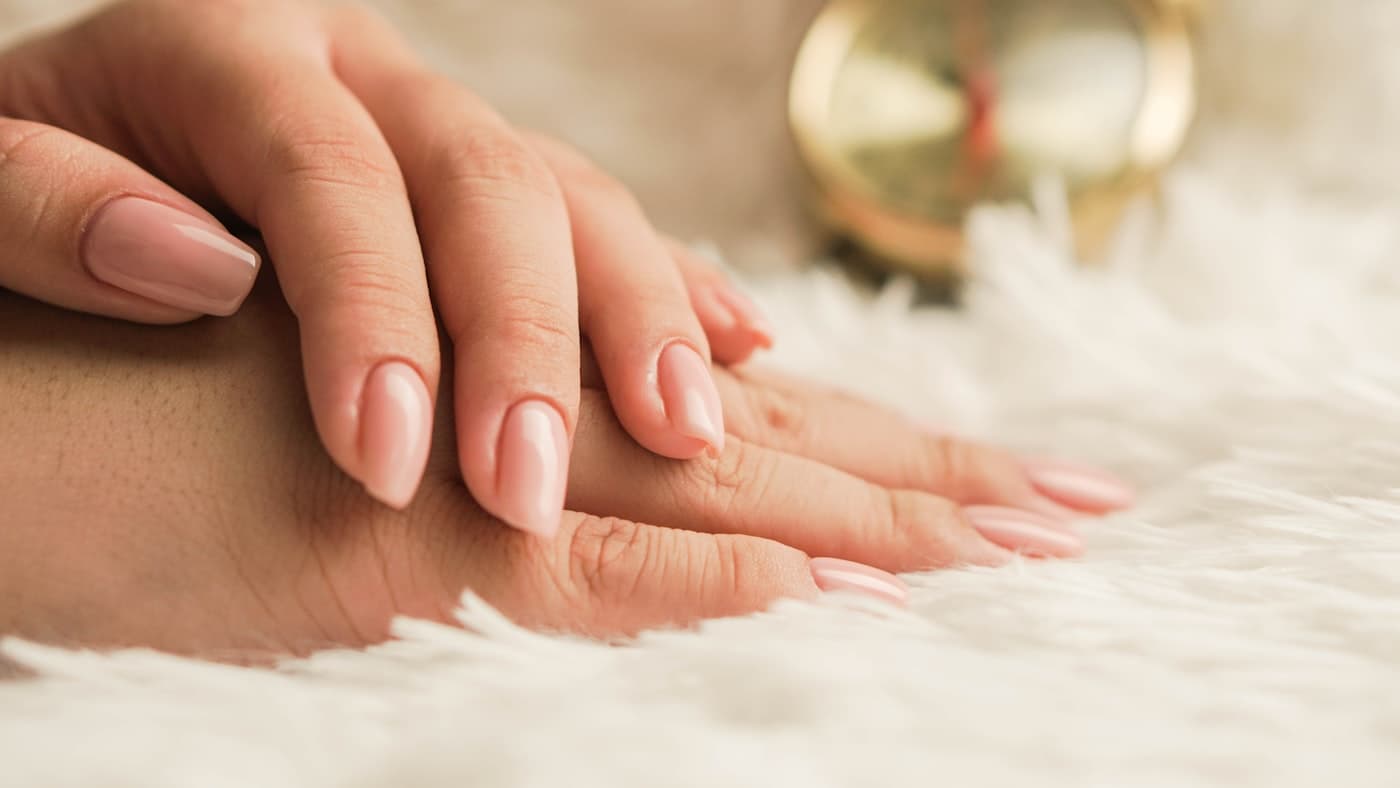
A manicure addresses how nails look on the day, cut, filed, polished, but weak, brittle or peeling nails are a between-visits problem, decided far more by daily habits than by anything done during the appointment itself. This is what genuinely helps in the gap between manicures.
None of this replaces seeing a doctor if nails show a sudden, unexplained change, ridging, discolouration, or separation from the nail bed, which are worth medical attention rather than home care alone.
What actually weakens nails between manicures
- Dishwashing and cleaning without gloves. Repeated water exposure, especially with dish soap and cleaning products, strips natural oils from nails and the surrounding skin faster than almost any other daily habit.
- Hard water, the same factor covered in our hair guide. Jaipur's hard water affects nails similarly to hair, leaving them drier and more prone to peeling with frequent exposure, particularly for anyone hand-washing dishes or clothes regularly.
- Using nails as tools, opening cans, scraping labels. A small, repeated habit that causes more nail breakage over time than people usually attribute to it.
What genuinely helps between visits
| Habit | Why it helps |
|---|---|
| Rubber gloves for dishwashing and cleaning | The single most effective change for most people, directly reducing the water and chemical exposure that weakens nails fastest |
| Cuticle oil applied nightly, not just during a manicure | Keeps the nail and surrounding skin from drying out between professional treatments |
| Keeping nails at a moderate length rather than very long or very short | Very long nails are more prone to breaking under everyday pressure; very short nails lose some natural protection at the tip |
| A hand cream with the nails specifically worked into it, not just the skin | Most people moisturise hands and skip the nails themselves, missing where the dryness often shows up first |
How often to actually book a manicure for this
Our separate guide on nail cut, file and polish versus a full manicure covers the difference between the two services. For nails that are genuinely weak or peeling, a full manicure, which includes cuticle care rather than just polish, every three to four weeks does more for underlying nail health than the quicker service alone.
Booking with this concern in mind
If nails have been consistently weak or peeling, mention it when booking a manicure. We can focus more attention on cuticle care during the appointment and suggest a realistic between-visits routine rather than just polishing over the underlying issue.
Common questions
Why do my nails feel weaker in Jaipur specifically?
Hard water is a genuine contributing factor, similar to its effect on hair, drying out nails faster with frequent exposure, particularly combined with dishwashing or cleaning without gloves.
What is the single most effective habit for stronger nails?
Wearing rubber gloves for dishwashing and cleaning. This one change reduces the water and chemical exposure that weakens nails fastest more than almost any product applied afterward.
How often should I get a manicure for genuinely weak nails?
A full manicure with proper cuticle care every three to four weeks does more for underlying nail health than a quicker nail cut, file and polish service alone, which our separate comparison guide covers.
When should nail weakness be checked by a doctor instead of managed at home?
If nails remain weak or develop new ridging or discolouration despite consistent glove use and moisturising, this is worth a doctor's opinion rather than continuing to treat it as a purely cosmetic issue.
Book what this guide covers
Full price lists and details for the services discussed here.