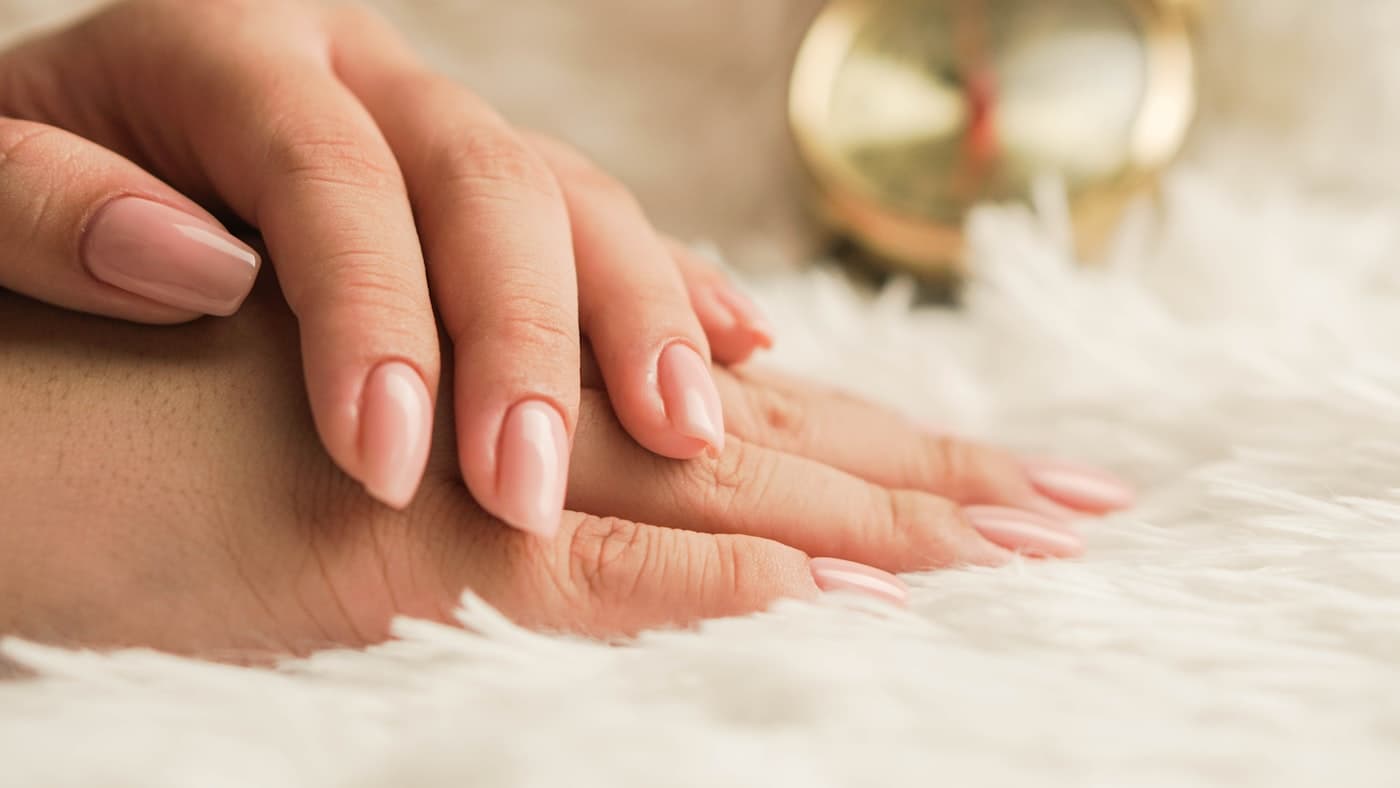
Mehndi colour depth genuinely does vary between people, and a fair amount of the advice around getting it darker is folk wisdom that does not hold up. This is what actually affects the stain, based on what our beauticians see across hundreds of mehndi appointments, not general internet advice.
None of this changes what happens during the appointment itself. It is about the hours right after, which matter more than most people realise.
What actually happens after the mehndi dries
The paste itself is not the final colour. What shows up under the paste right after it is scraped off is orange, and it darkens over the following 24 to 48 hours as it oxidises. This is why judging the colour immediately after a mehndi appointment is misleading; the real colour is not visible yet.
What genuinely deepens the stain
- Leave the paste on as long as realistically possible. Longer contact time genuinely does produce a deeper stain. A minimum of a few hours, ideally overnight, makes a visible difference over scraping it off after an hour.
- Avoid water contact for as long as possible after removing the paste. The first wash after mehndi is the single biggest factor in how dark the final colour ends up. Delaying water contact for as long as practical, ideally the better part of a day, lets the stain develop further before it gets diluted.
- Warmth helps the stain develop. A warm room, or holding hands near a mild heat source briefly while the paste is still on, genuinely speeds up the staining reaction. This is one of the few pieces of common advice that holds up.
What does not actually make a difference
How long the colour lasts once it peaks
A good, well-developed stain typically holds a visible colour for one to two weeks before it fades to a faint outline, longer on palms than on the back of the hands since palm skin sheds more slowly. Frequent hand washing, dishwashing without gloves and repeated moisturising all speed up the fade, since they all increase how fast the stained skin cells are worn away.
If mehndi is for an event where the colour needs to hold for a week or more afterwards, like a wedding with functions spread across several days, booking it early enough for the deepest possible stain, and being deliberate about the first day of care, matters more than any product applied afterward.
Booking it around this timeline
Our mehndi service, from ₹999 for full hands, front and back, is timed the same way for any event: book it with enough lead time that a first, less-than-perfect wash does not fall on the day the colour needs to look its best.
Booking mehndi for a specific event? Tell us the date and we will suggest the right day to book it so the colour has properly peaked, rather than being freshly done and still orange on the day itself.
Common questions
Why is my mehndi orange right after it is applied?
The stain has not fully developed yet. It oxidises and darkens over the following 24 to 48 hours, so the colour immediately after the paste comes off is not the final result.
Does keeping mehndi paste on longer really make it darker?
Yes, this is one of the few pieces of common advice that genuinely holds up. Longer paste contact time, ideally overnight, produces a noticeably deeper stain than removing it after an hour.
Do lemon-sugar mixture or clove smoke actually deepen mehndi colour?
The evidence for these traditional remedies making a real difference is weak, beyond what is already achieved through paste contact time and delaying the first wash. They are mostly harmless if skin does not react, but should not replace those two factors.
How long does a good mehndi stain typically last?
Around one to two weeks before fading to a faint outline, longer on palms than the back of hands. Frequent washing and moisturising speed up the fade since they wear away the stained skin cells faster.
Book what this guide covers
Full price lists and details for the services discussed here.