Our postpartum guide covers hair fall in detail. Pigmentation, darker patches on the face, often called melasma or the pregnancy mask, is an equally common postpartum concern that deserves its own honest answer rather than being folded into general skin advice.
This is cosmetic guidance, not medical advice. Melasma specifically often benefits from a dermatologist's input, and this is worth saying plainly rather than implying a facial alone resolves it.
What is actually happening
Hormonal changes during and after pregnancy can trigger increased pigment production in some areas of the face, commonly the cheeks, forehead and upper lip, which shows up as darker patches. This is extremely common and, for many people, fades gradually over months after delivery as hormones settle, though for some it persists longer and needs more targeted attention.
What a facial can genuinely help with
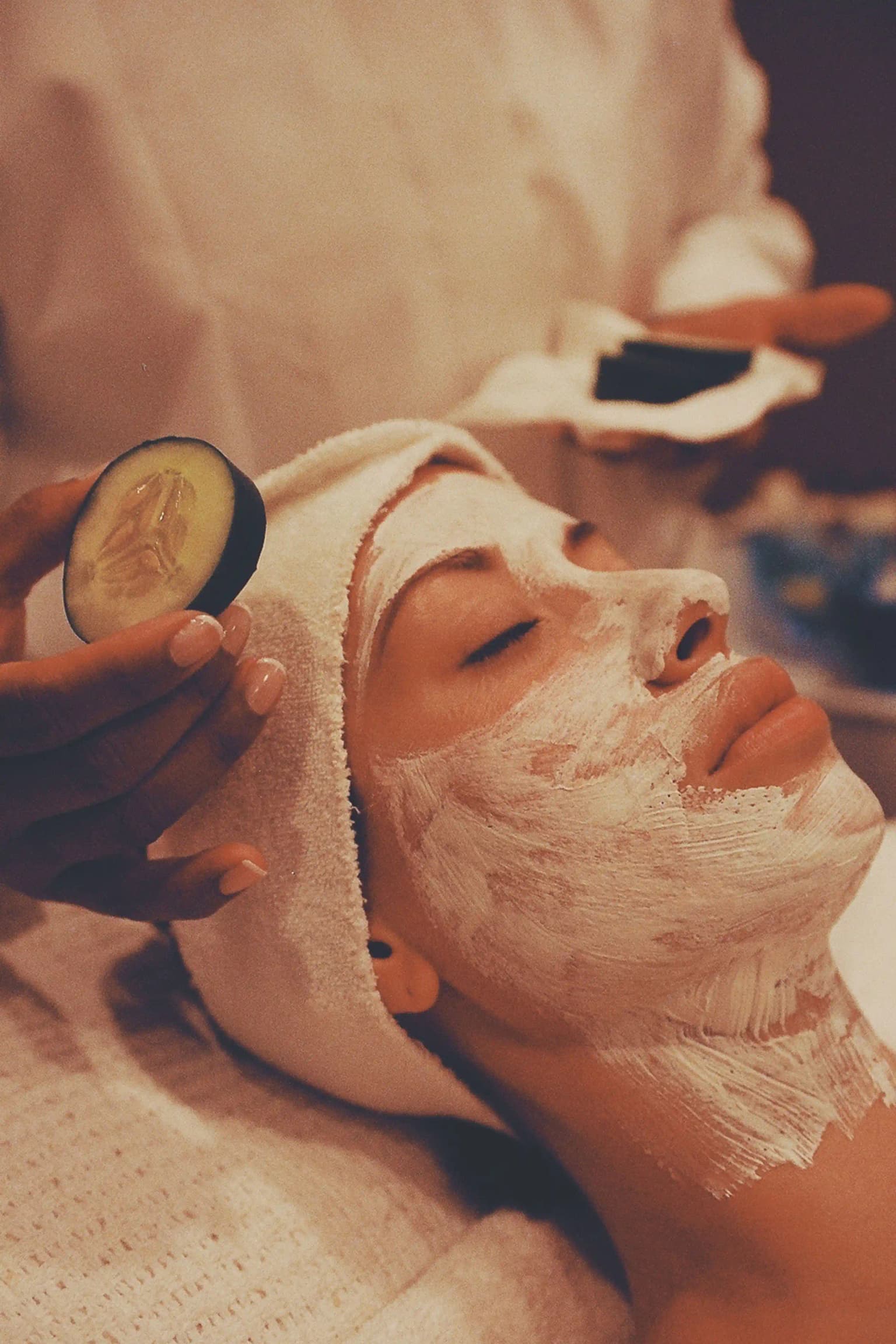
Our O3+ Brightening Facial guide covers a facial specifically built for uneven pigmentation, and it is a genuinely reasonable option for postpartum pigmentation that is mild to moderate. It works gradually, through a repeated cycle of sittings, and it will not fully resolve deep or stubborn melasma on its own, which is worth knowing honestly before booking with high expectations for a single session.
When to involve a dermatologist instead
- Pigmentation that is dark, widespread, or has not faded at all months after delivery. This pattern is more consistent with melasma that needs targeted medical treatment than something a cosmetic facial alone will meaningfully shift.
- Pigmentation that seems to be getting worse rather than better over time. Worth a dermatologist's assessment rather than continuing with facials alone and hoping for improvement.
- Any pigmentation change that looks unusual in texture, not just colour. A change in texture alongside colour is a general reason to get any skin change checked, separate from the ordinary postpartum pigmentation pattern.
A realistic, honest plan
If postpartum pigmentation has been a concern, a gentle brightening facial cycle alongside consistent daily sunscreen is a reasonable, low-risk place to start. If it has not improved after a few months of this, or looks more severe than mild, uneven darkening, a dermatologist's opinion is worth getting rather than continuing with cosmetic treatment alone.
Common questions
Is postpartum pigmentation the same as melasma?
They overlap. Postpartum pigmentation is often what people describe when experiencing melasma, hormonally triggered darker patches usually on the cheeks, forehead or upper lip, which is common during and after pregnancy.
Can a facial fully clear postpartum pigmentation?
Not fully, and it is worth knowing this honestly. A brightening facial, done as a repeated cycle rather than once, can genuinely help mild to moderate pigmentation, but deep or stubborn melasma usually needs a dermatologist's input for a fuller result.
Does postpartum pigmentation go away on its own?
For many people, it fades gradually over months after delivery as hormones settle. For others it persists longer, and this is when involving a dermatologist becomes more worthwhile than continuing with cosmetic treatment alone.
Why does sunscreen matter so much for melasma specifically?
Melasma is well known to worsen with sun exposure more than ordinary pigmentation does. Consistent daily sunscreen use is one of the most effective, low-cost things that helps manage this specific concern.
Book what this guide covers
Full price lists and details for the services discussed here.